What Size Tankless Water Heater Do I Need? A Florida Guide
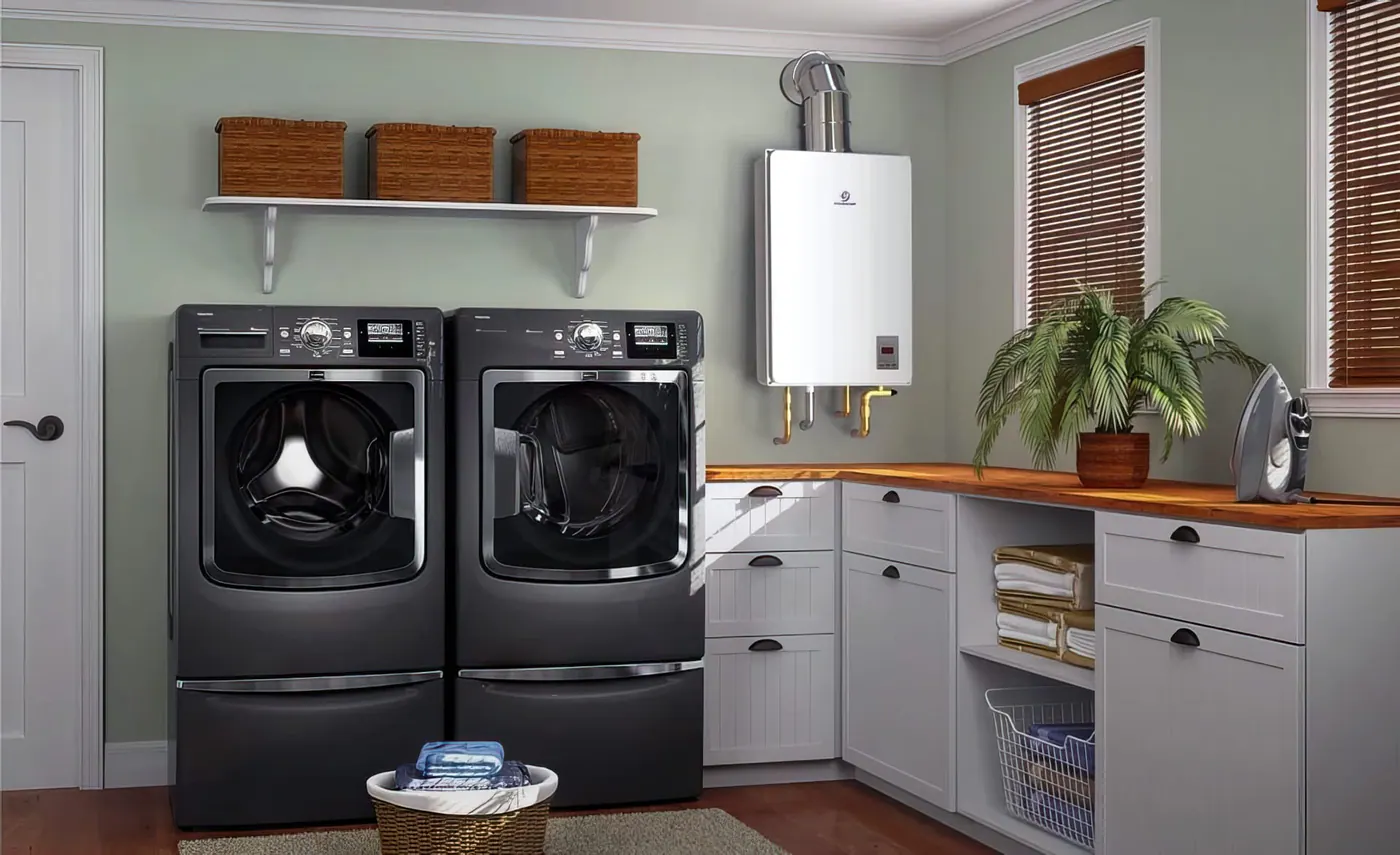
A tank water heater is sized by how many gallons it stores. A tankless water heater is sized by how many gallons per minute (GPM) it can heat at the moment you need it. Get that number right and you have endless hot water. Get it wrong and the shower turns lukewarm every time someone starts the dishwasher. The good news for Central Florida homeowners is that our warm groundwater makes sizing much easier than it is up north.
The two numbers that matter
Sizing comes down to peak flow rate and temperature rise. Peak flow is the total GPM of every hot water fixture that could run at the same time. Temperature rise is the difference between the water coming into your house and the temperature you want out of the tap. A heater that can deliver 8 GPM with a 35-degree rise might deliver only 4 GPM with a 70-degree rise. That is why the same model performs very differently in Ohio and in Clermont.
Why Florida has an advantage
Groundwater in Central Florida typically arrives somewhere in the low to mid 70s year-round. To reach a comfortable 115 to 120°F, a heater only needs to raise the temperature about 45 degrees. In northern states, winter water can come in near 40°F, which means an 80-degree rise. In practice, a tankless unit here delivers noticeably more hot water than its northern rating might suggest.
Typical fixture flow rates
- •Shower: 1.5 to 2.5 GPM, depending on the showerhead
- •Bathroom faucet: 0.5 to 1.5 GPM
- •Kitchen faucet: 1.5 to 2.2 GPM
- •Dishwasher: about 1 to 1.5 GPM while filling
- •Washing machine on hot or warm: 1.5 to 2 GPM
- •Large soaking tub: 4 GPM or more, which often drives the sizing decision
Rough sizing by household
- •One bathroom, one or two people: about 4 to 5 GPM at a 45-degree rise
- •Two bathrooms, typical family: about 6 to 7 GPM
- •Three bathrooms: about 8 to 9 GPM
- •Four or more bathrooms, or a large soaking tub: about 9 to 11 GPM, or two units working together
These are starting points, not guarantees. Low-flow showerheads stretch capacity. Body sprays and rain heads eat it fast. A plumber should add up your real fixtures before recommending a model.
Gas or electric?
Gas tankless units, natural gas or propane, are the most common whole-home choice because they deliver high flow rates. They need properly sized gas piping, dedicated venting, and sometimes a meter upgrade. Electric tankless units are simpler to vent and very efficient at the point of use, but a whole-home model can require 100 to 150 amps on dedicated circuits. Many older homes in Eustis and Leesburg do not have that much spare electrical capacity without a panel upgrade.
Frequently asked questions
Can one tankless water heater run two showers at once?
Yes, if it is sized for it. In Central Florida, most whole-home gas tankless units can handle two showers at the same time because incoming water is already relatively warm.
Is an electric tankless water heater enough for a whole house?
Sometimes, but whole-home electric units need very large electrical circuits, often well over 100 amps. Many homes need a panel upgrade before one can be installed.
Do I need a bigger gas line for a tankless water heater?
Often, yes. Gas tankless units can draw much more fuel at peak than a tank heater, so the gas line and meter must be checked for capacity.
Related service: Tankless Water Heaters.
Need a plumber in Central Florida?
Prime Plumbing Inc is family-owned, state-licensed, and available 24/7 for emergencies across Lake County and nearby communities.