Tankless Descaling: Timing, Method, and Limits
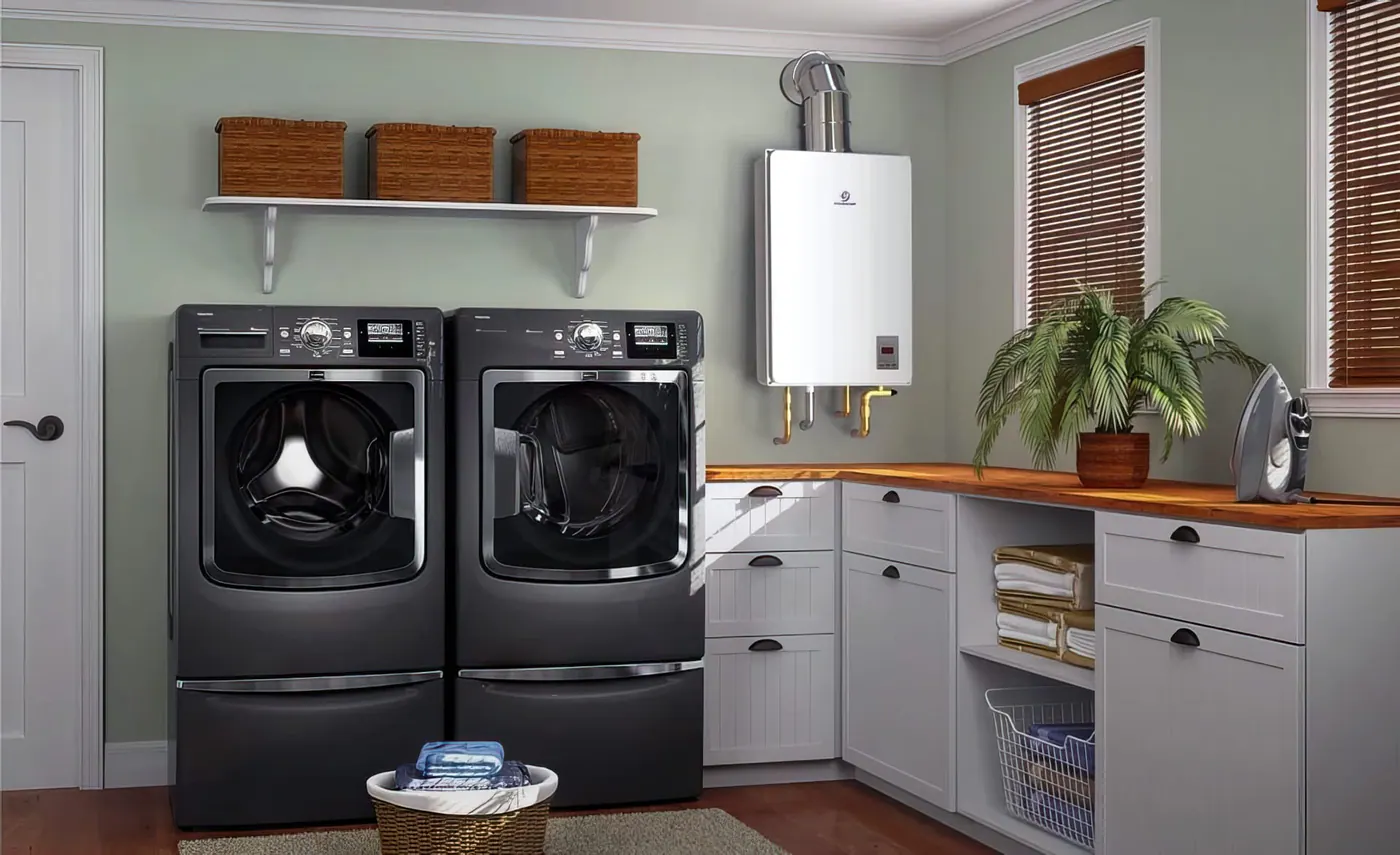
Tankless heaters pass water through narrow heat-exchanger channels while applying intense heat. Dissolved minerals can precipitate on those hot surfaces, reducing flow and insulating the metal from the water. The unit may run longer, become noisy, display a service code, or deliver less consistent temperature. Scale rate depends on hardness, temperature setting, daily volume, and pretreatment—not simply the heater's age.
A proper service isolates the heat exchanger
Most serviceable installations have hot and cold isolation valves with purge ports. Following the model procedure, power and fuel are controlled, water is isolated, and a pump circulates approved solution through the exchanger for the specified time. The circuit is then flushed with clean water, strainers are cleaned, valves returned to operating position, and the unit tested for leaks and correct firing. Missing service valves can turn routine maintenance into a larger shutdown and should be addressed by a plumber.
- •Record inlet hardness, service date, error history, and solution used.
- •Clean the cold-water inlet screen and any manufacturer-listed air filter.
- •Inspect venting, condensate drainage, relief components, and visible connections.
- •Verify temperature and flow at fixtures after the unit returns to service.
Frequency should follow conditions
A heavily used home in Groveland or Mascotte with untreated hard water may need annual or more frequent attention, while effective treatment and moderate use can extend the interval. Some units estimate service need; those reminders still assume correct setup. If the exchanger repeatedly scales in a few months, test the water, confirm softener performance, and review temperature. Endless descaling without correcting the incoming condition is maintenance by symptom.
Know when flushing is not enough
A unit that will not ignite, produces combustion odor, leaks internally, or shows persistent safety codes needs model-specific diagnosis. Descaling should not be used to clear gas components or bypass controls. Likewise, lukewarm water at simultaneous fixtures may reflect capacity rather than dirt. Compare incoming-water temperature, requested flow, fuel supply, and rated output. Qualified service is especially important on gas units because combustion, venting, and carbon-monoxide risks are outside routine homeowner flushing.
Frequently asked questions
How often does a tankless heater need descaling?
Annual service is a common starting point in hard-water areas, but measured hardness, usage, treatment, and manufacturer instructions may justify a shorter or longer interval.
Can household vinegar be used?
Some manufacturers permit food-grade vinegar while others specify an approved descaler. Follow the exact model instructions so seals and warranty conditions are respected.
Will descaling fix fluctuating temperature?
Only if scale-related restriction or heat transfer is the cause. Flow sensors, crossover, gas pressure, venting, filters, sizing, and fixtures can create similar symptoms.
Related service: Tankless Water Heaters.
Need a plumber in Central Florida?
Prime Plumbing Inc is family-owned, state-licensed, and available 24/7 for emergencies across Lake County and nearby communities.