Salt Bridges in Water Softeners: Diagnosis and Prevention
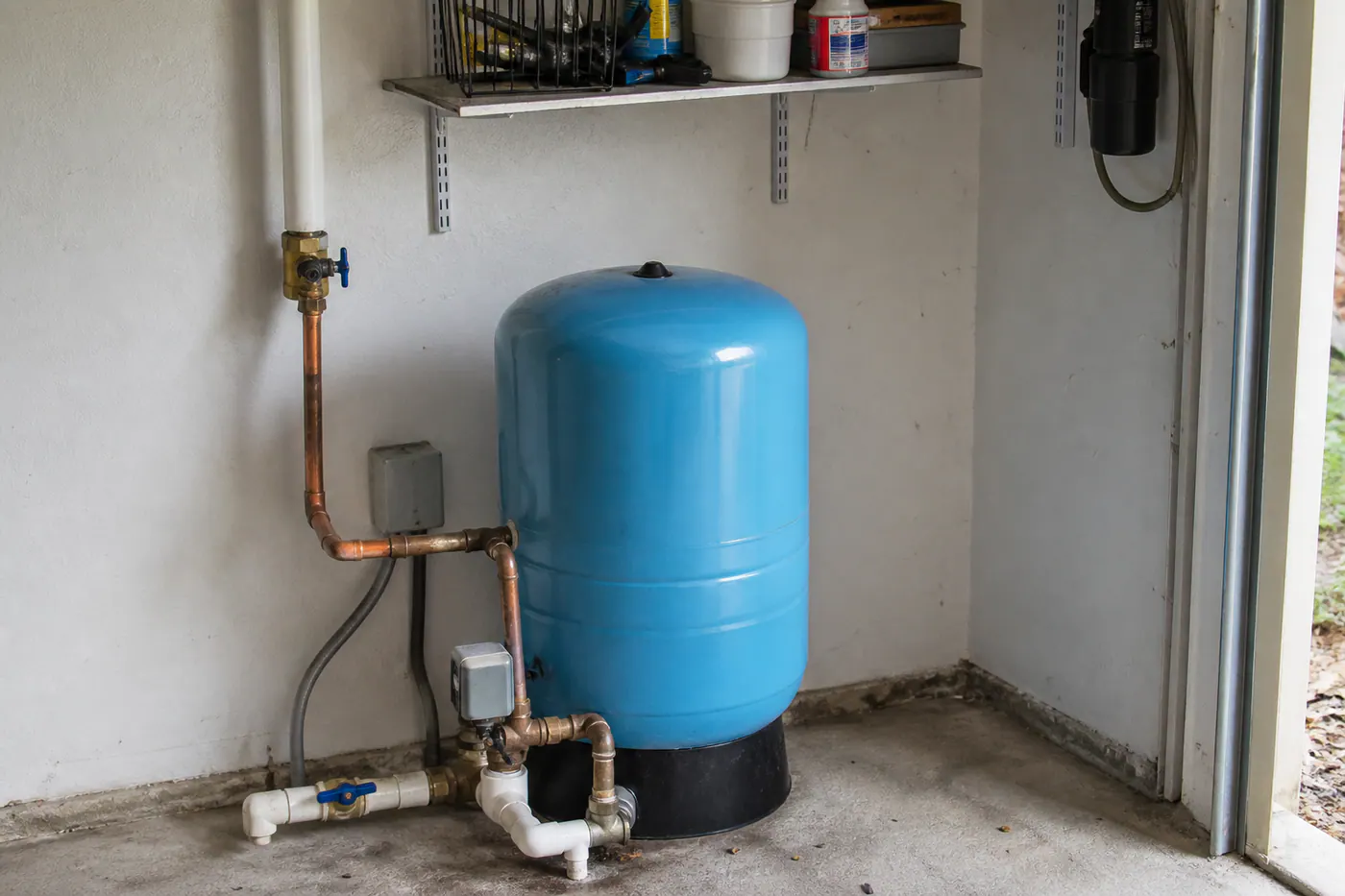
During regeneration, a softener dissolves salt into brine and draws that brine through resin to exchange accumulated hardness minerals. A salt bridge forms when a rigid crust spans the brine tank while an empty cavity develops below. Because the crust no longer contacts the water, little or no brine is made. The control valve may cycle normally, yet hard-water symptoms return and the displayed salt level barely changes.
Confirm the problem before breaking anything
Look for soap that no longer lathers, renewed scale, or hardness on a test strip. With the system in a safe service position, gently press a clean blunt handle downward in several places, avoiding the brine well, float, and tank walls. A bridge feels solid and then opens into a hollow area. Loose pellets throughout the tank point elsewhere: a blocked injector, kinked brine line, failed valve, stuck float, or improper settings can also stop salt use.
Break and remove the crust carefully
Follow the unit manual. Work from the top with a blunt tool, using light pressure to fracture the crust without puncturing the tank or damaging internals. Remove large hardened pieces and inspect for thick sludge at the bottom. A salt mush—a dense paste caused by recrystallization or contaminants—may require emptying and cleaning the brine tank rather than pushing material downward. After restoring proper salt and water levels, run a supervised regeneration and check for leaks and normal brine draw.
- •Keep salt below the manufacturer's maximum instead of filling to the lid.
- •Use the pellet or crystal type recommended for the equipment.
- •Protect the tank from rain and extreme humidity while maintaining safe access.
- •Check salt monthly and investigate a level that never moves.
Verify that soft water actually returns
Test a cold softened tap after regeneration and adequate flushing; do not rely on feel alone. If hardness remains in Fruitland Park, Lady Lake, or another mineral-heavy area, confirm bypass position, programming, capacity, raw-water hardness, and resin condition. A bridge can explain why regeneration lacked brine, but it does not prove the valve and resin are healthy. Persistent salt use without softness may indicate an undersized or exhausted system.
Frequently asked questions
How do I know if salt is bridged?
The salt level stays unchanged, water becomes hard, and gentle probing reveals a hollow space beneath a rigid crust. Do not mistake a normal compacted layer at the bottom for a bridge.
Can I pour hot water into the brine tank?
Use only methods allowed by the manufacturer. Excess hot water can damage components or create an overflowing brine condition; mechanical breakup and proper cleanup are usually safer.
Why does a salt bridge return?
Humidity, overfilling, unsuitable salt, long periods without use, and brine-system faults can contribute. Repeated bridging calls for inspection beyond simply breaking the crust.
Related service: Water Filtration.
Need a plumber in Central Florida?
Prime Plumbing Inc is family-owned, state-licensed, and available 24/7 for emergencies across Lake County and nearby communities.