A Realistic Reverse-Osmosis Filter Schedule
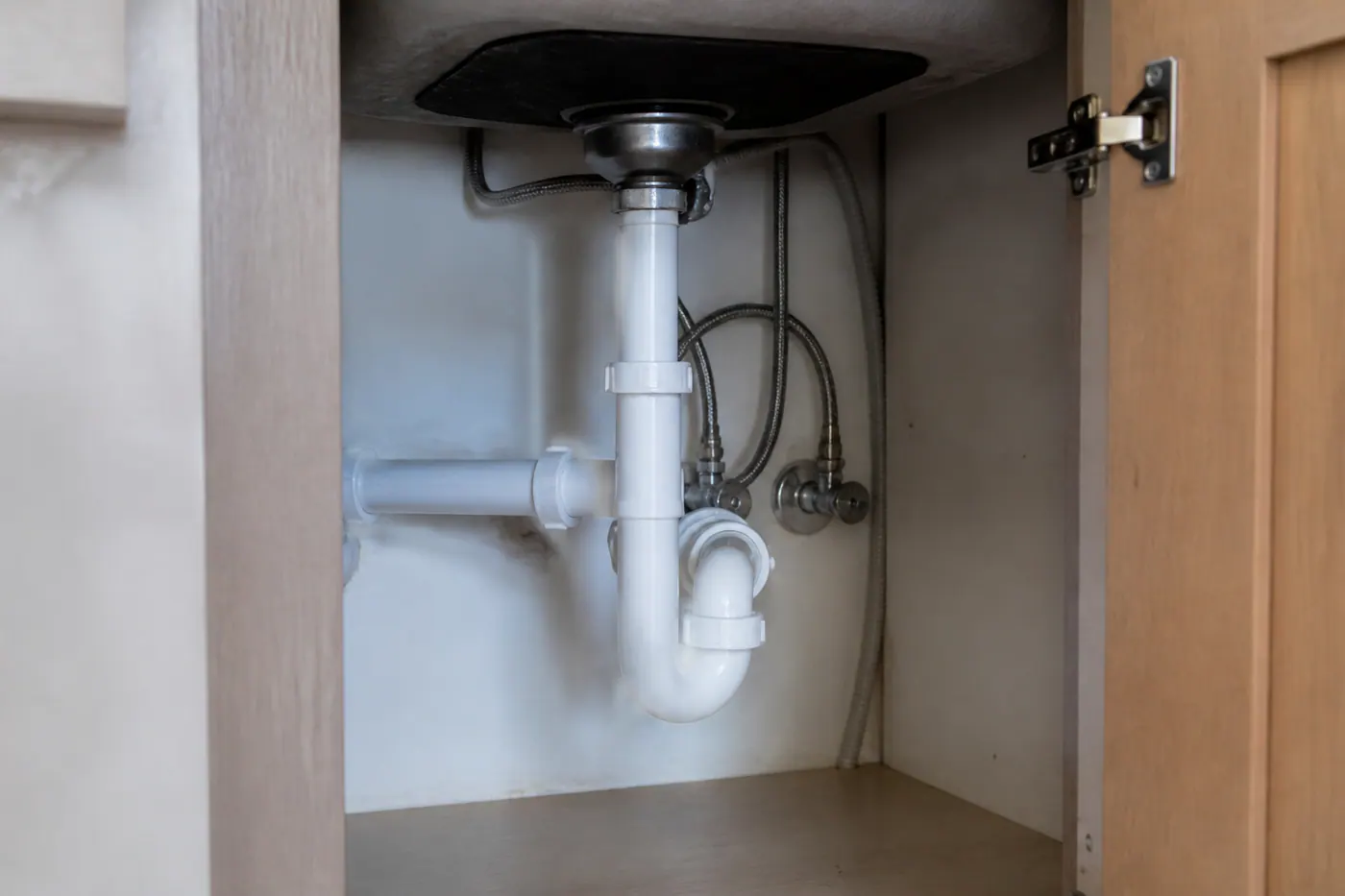
A typical under-sink reverse-osmosis system uses a sediment cartridge, one or more carbon stages, an RO membrane, and a final polishing filter. The sediment filter protects downstream components from particles. Carbon removes chlorine or chloramine when the cartridge is rated for it, protecting many membrane materials. The membrane rejects dissolved contaminants, while the postfilter freshens stored water before the faucet. Because each stage sees a different load, each needs its own replacement logic.
Start with a baseline schedule, then measure
Many manufacturers suggest sediment and carbon changes every six to twelve months, a postfilter around twelve months, and membrane replacement every two to five years. Those are planning ranges. A high-sediment well near Umatilla can load a prefilter early; treated municipal water in Mount Dora presents a different challenge. Household consumption, feed pressure, incoming total dissolved solids, disinfectant, hardness, and periods of non-use all affect service life.
- •Write the installation date and cartridge model on a service log.
- •Record feed and product-water TDS with a calibrated or consistent meter.
- •Track tank-fill time, faucet flow, pressure, taste, odor, and visible leaks.
- •Sanitize housings and follow the exact cartridge orientation during service.
- •Inspect tubing, drain connection, faucet air gap, and storage tank.
Membrane rejection is more useful than product TDS alone
Product-water TDS naturally changes when feed-water TDS changes. Rejection percentage compares the two: subtract product TDS from feed TDS, divide by feed TDS, then multiply by 100. Interpret the result against the membrane specification after the system has stabilized. A sudden decline can indicate membrane damage, exhausted carbon that allowed disinfectant through, scaling, poor seating, or a testing error. TDS does not detect every health-related contaminant, so use appropriate laboratory testing when a specific concern exists.
Do not overlook pressure and sanitation
Low feed pressure reduces production and rejection. A storage tank with incorrect air charge can seem like a clogged filter even when cartridges are new. During replacement, dirty hands, reused O-rings, or unclean housings can introduce contamination. Shut off feed water, relieve pressure, inspect seals, sanitize as directed, flush new carbon fines, and discard the specified initial tankfuls. If the property has been vacant, follow the maker's recommissioning procedure rather than merely running the faucet briefly.
Frequently asked questions
How often should RO prefilters be changed?
Six to twelve months is common, but sediment load, chlorine exposure, usage, and the manufacturer's pressure limits can require a different interval.
How long does an RO membrane last?
Often two to five years under suitable feed-water conditions. Rejection testing, production rate, chlorine protection, and scaling provide better evidence than age alone.
Why is the RO faucet running slowly?
A spent prefilter, fouled membrane, low feed pressure, depleted storage-tank air charge, closed valve, kinked line, or normal tank recovery can all reduce flow.
Related service: Water Filtration.
Need a plumber in Central Florida?
Prime Plumbing Inc is family-owned, state-licensed, and available 24/7 for emergencies across Lake County and nearby communities.