Protecting Florida Plumbing During a Rare Freeze
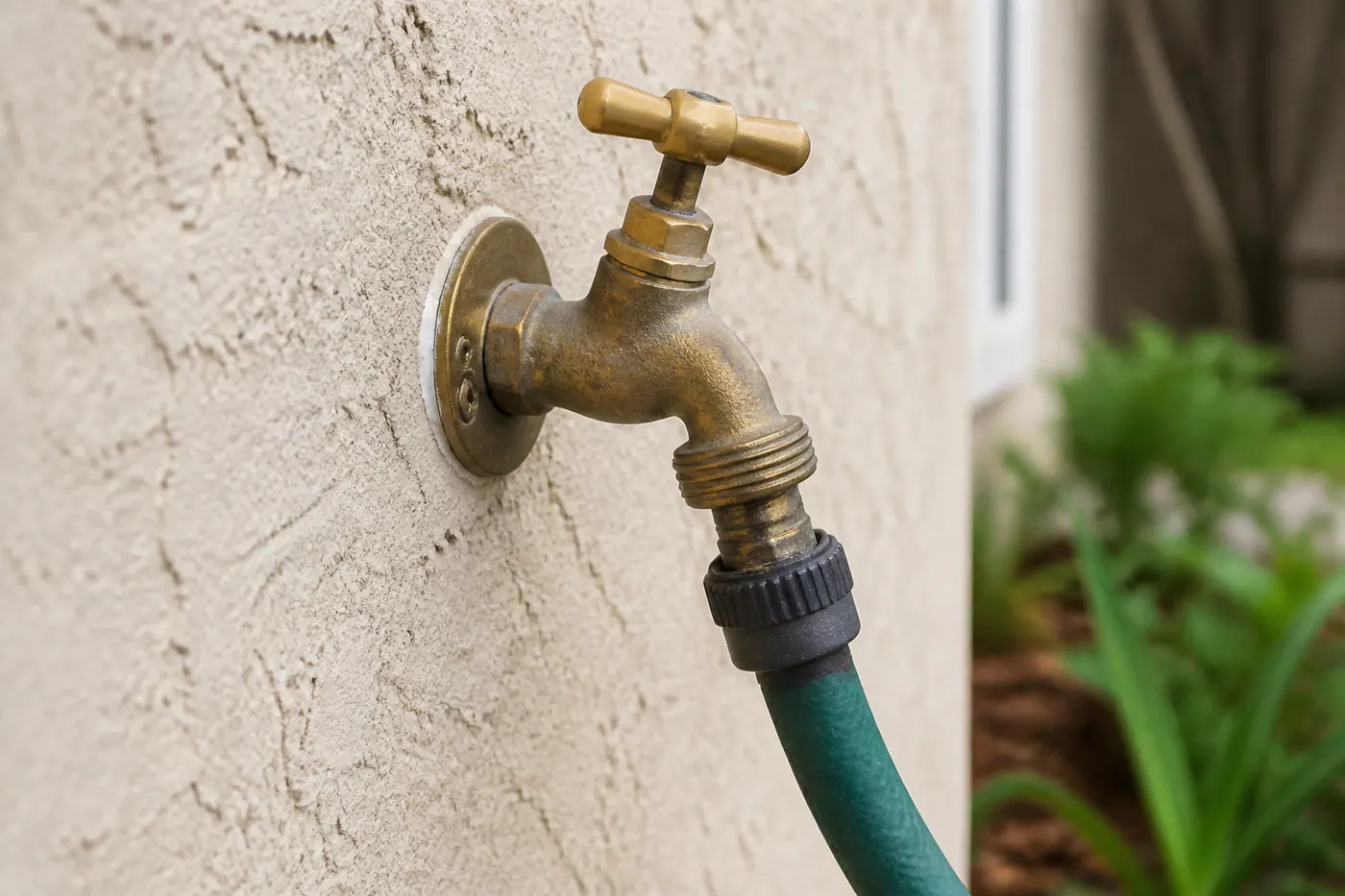
Central Florida homes are not designed like buildings in sustained cold climates. Hose bibs, well piping, irrigation backflow assemblies, pipes in open garages, and water lines near attic eaves may have little freeze protection. Wind strips heat quickly, and a few hours below freezing can be enough for trapped water to expand. Homes in low or inland areas near Umatilla, Sorrento, and Ocala may see colder conditions than a broad regional forecast suggests.
Prepare exposed components before sunset
- •Disconnect hoses, splitters, timers, and spray nozzles so the faucet can drain.
- •Insulate exposed pipe and valves with weather-resistant materials secured against wind.
- •Protect well pressure switches, gauges, filters, and above-ground piping while preserving ventilation and access.
- •Follow manufacturer instructions for irrigation backflow and pool equipment.
- •Close garage doors and seal obvious drafts near plumbing without blocking combustion air.
A towel alone absorbs moisture and loses insulating value. Use purpose-made covers or closed-cell pipe insulation, and keep electric heat products away from water unless listed for that application. Do not wrap pump motors, gas vents, or exhausts in a way that traps heat or blocks airflow. If a backflow assembly or pool system has a prescribed drain-down process, follow it exactly; partly closed valves can trap water in the body.
Protect the building side
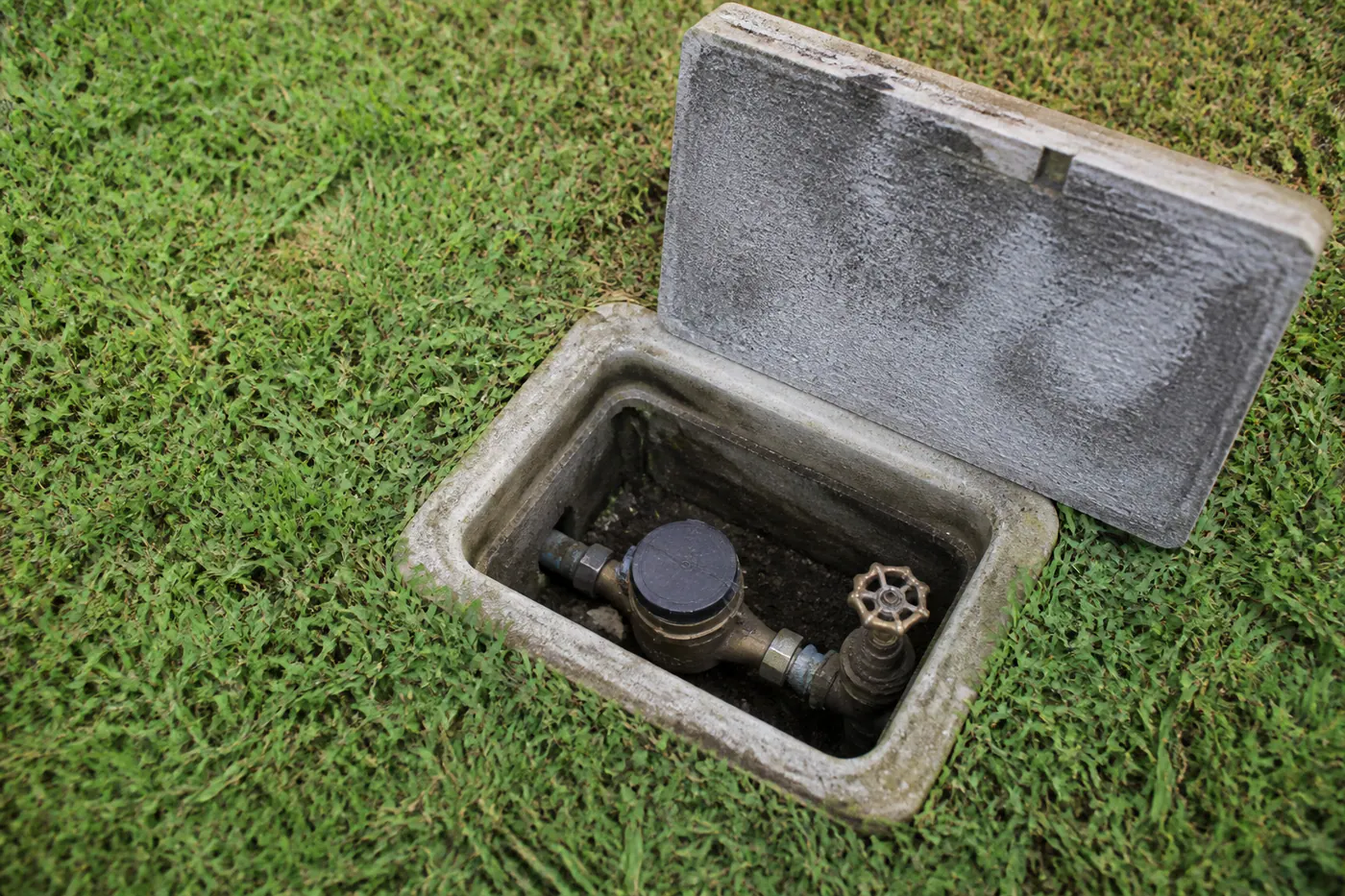
Maintain indoor heat and open vanity or sink cabinets on exterior walls so room air reaches piping, while keeping chemicals away from children and pets. Know the main shutoff and make sure a flashlight can reach it. A carefully selected vulnerable faucet may be left at a small trickle when recommended, with its drain confirmed open. Vacant homes need a deliberate winterization or monitored heat plan, not a random dripping fixture.
If flow stops or a pipe freezes
Do not assume the ice is confined to the visible point. Check for bulging, cracked fittings, and wet walls, then isolate water if leakage is possible. Open the affected faucet and warm the accessible pipe gradually with room heat or a handheld dryer kept safely away from water. Never use flame, a propane heater, or boiling water. Watch the meter when service returns because a split may leak inside a wall or attic after thawing.
Frequently asked questions
At what temperature should Florida pipes be protected?
Begin preparations when forecasts approach freezing, especially with wind or several cold hours. Exposure and duration matter more than one exact temperature.
Should faucets drip overnight?
A small flow may help selected vulnerable lines, but it wastes water and cannot protect every pipe. Insulation, heat, and correct isolation are primary measures.
How should a frozen pipe be thawed?
Shut off water if damage is suspected, open the faucet, and use gentle warm air only where safe. Never use a torch or open flame; hidden leaks may appear as ice melts.
Related service: Emergency Plumber.
Need a plumber in Central Florida?
Prime Plumbing Inc is family-owned, state-licensed, and available 24/7 for emergencies across Lake County and nearby communities.