How to Document a Plumbing Leak Clearly
A leak record should let someone who was not present understand what happened, when it was discovered, how water moved, and what was done. It cannot guarantee insurance coverage; policies, exclusions, duties after loss, deductibles, and claim decisions vary. Documentation does reduce ambiguity. Begin as soon as it is safe, but never delay shutting off active water, avoiding electrical hazards, or contacting emergency services simply to obtain better footage.
Capture the scene from broad to specific
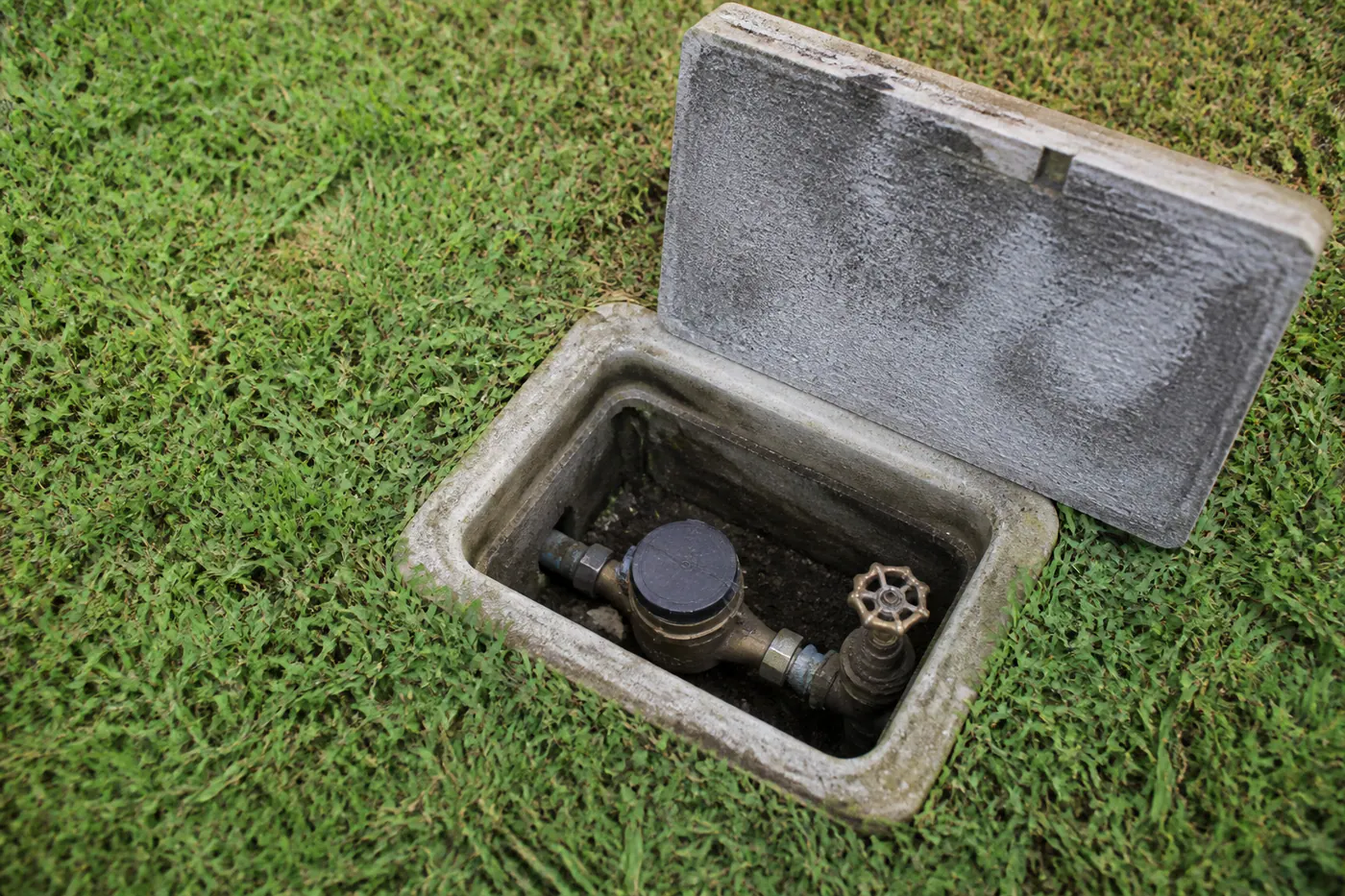
Start with a slow video showing the room, then the wet path, and finally the suspected source. Photograph each affected wall, ceiling, floor, cabinet, fixture, and adjacent room with both wide and close views. Include a ruler or common object for scale where useful. Photograph the meter before and after shutoff, appliance labels and serial numbers, supply connections, staining, and standing water. Do not remove covers or enter a wet electrical area for a picture.
- •Record discovery date and time, who was present, and the last known dry condition.
- •Note weather, occupancy, recent work, alarms, sounds, odors, and fixture use.
- •Save original photo and video files with metadata; make a separate backup.
- •List damaged items without discarding them until disposal requirements are clear.
- •Keep calls, emails, estimates, invoices, drying logs, and temporary-repair receipts.
Ask the plumber for observations, not conclusions about coverage
A service record can identify the failed valve, supply line, pipe section, drain, appliance connection, or concealed source; describe corrosion, fracture, blockage, or installation condition; and document testing and repair. Photos before and after work are useful. Statements about whether damage was sudden, long-term, covered, negligent, or code-compliant require evidence and may fall outside the plumber's role. Give the insurer the factual report and let the responsible parties interpret the policy.
Track mitigation as carefully as damage
Write down when the main or local valve was closed, when power was isolated, when extraction or drying began, and who authorized emergency work. Photograph moved contents and temporary openings. Keep moisture readings from qualified mitigation providers and avoid unapproved permanent reconstruction until documentation and claim instructions are clear. In humid homes from Eustis to Mount Dora, prompt drying matters; preserving evidence does not mean leaving materials wet.
Organize one chronological package
Create folders for originals, selected photos, correspondence, plumbing, mitigation, contents, and expenses. Name files with date, time, room, and subject. Keep a one-page timeline that links to supporting records and note every claim or service reference number. If a part is retained, bag or box it only after it is safe and dry, label where it came from, and record custody. Ask the carrier what it needs, because this guide is practical documentation—not legal or insurance advice.
Frequently asked questions
Should I wait for an adjuster before stopping the leak?
Protect people and prevent additional damage first. Photograph or video conditions when safely possible, then shut off water and arrange emergency mitigation. Ask the insurer about claim procedures promptly.
What should the plumber put on the invoice?
Request factual observations: location, failed component, visible condition, tests performed, work completed, materials, dates, and photos when available. The plumber should not speculate about coverage.
Should damaged plumbing parts be saved?
When safe and practical, label and retain the failed part until the insurer or other involved party says it is no longer needed. Avoid contamination hazards and ask before discarding it.
Related service: Leak Detection.
Need a plumber in Central Florida?
Prime Plumbing Inc is family-owned, state-licensed, and available 24/7 for emergencies across Lake County and nearby communities.