The Hidden Water Cost of a Running Toilet
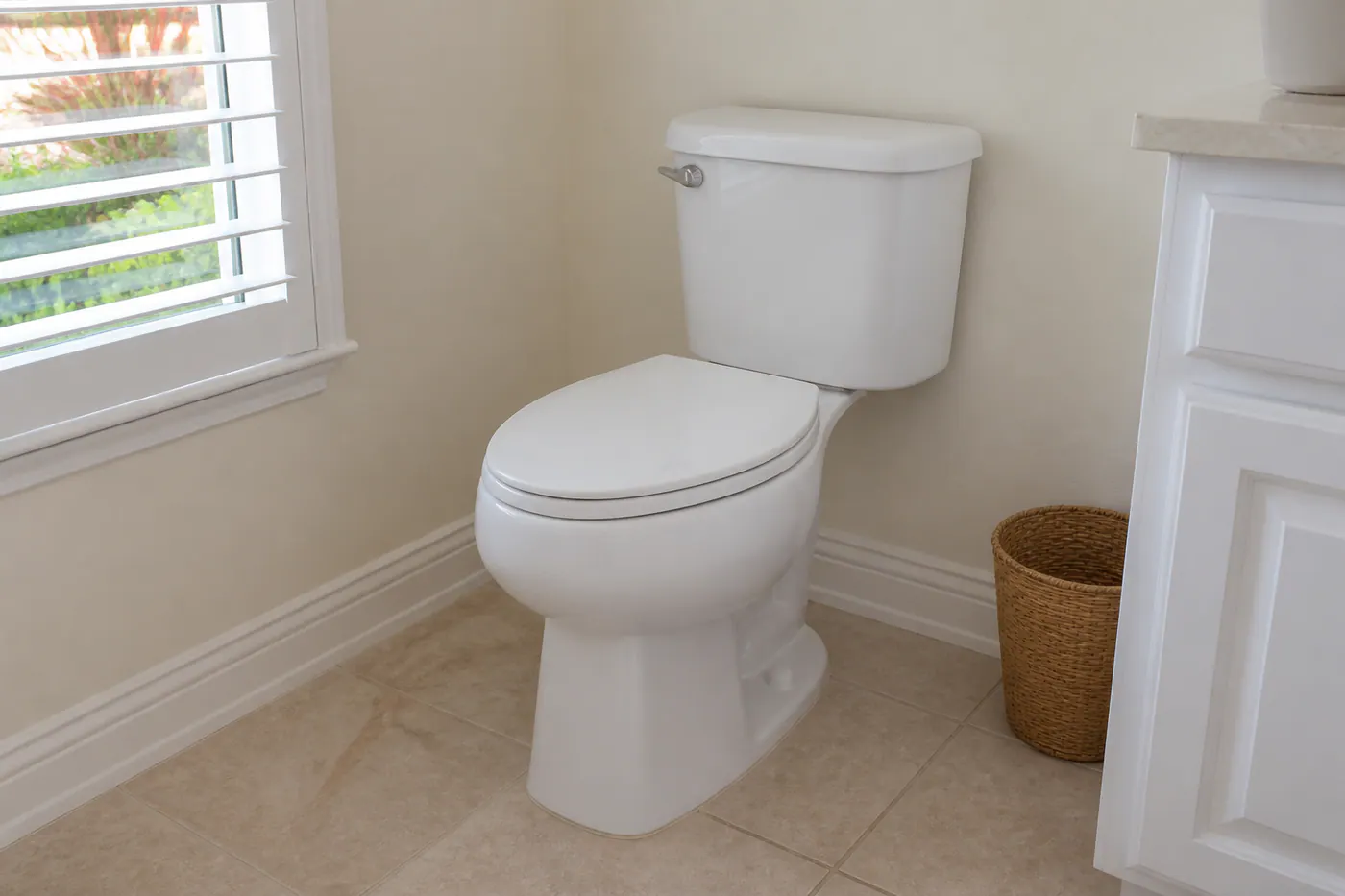
A running toilet is a controlled leak from the water supply into the drain. In an obvious failure, the fill valve never closes and water pours down the overflow tube. More often, a worn flapper leaks slowly into the bowl, the tank level drops, and the valve refills for a few seconds. Because the water never reaches the floor, the first visible evidence may be an unexpectedly high bill in Eustis, Leesburg, or anywhere with metered service.
Measure instead of guessing
Turn off irrigation, appliances, faucets, and ice makers, then observe the water meter's low-flow indicator. Close the toilet's stop valve and see whether meter movement changes. A marked container and timed fill can estimate a continuous flow, while utility hourly-use data may reveal repeating refill spikes overnight. Rates vary, so multiply measured gallons by the local water and sewer charges rather than applying a national dollar figure.
- •Dye in the bowl points to a leaking flapper or flush-valve seal.
- •Water above the marked level points to fill-valve adjustment or failure.
- •A refill tube pushed below the overflow rim can siphon water.
- •A tangled chain can hold the flapper slightly open.
- •Moisture at the supply, tank bolts, or base requires a separate leak check.
Match the part to the toilet
Universal parts are not universal in performance. Flapper diameter, hinge design, weight, and compatibility with chlorine exposure affect sealing and flush volume. The fill valve should stop at the manufacturer's tank mark while leaving the top of the overflow tube safely above the water. Do not bend or cut components until the model instructions are clear. On dual-flush and pressure-assisted toilets, cartridges and seals differ from conventional gravity tanks.
Know when repair becomes replacement
A sound fixture with a worn valve is usually economical to repair. Cracked porcelain, a damaged flush-valve opening, repeated clogs from a poor-performing older design, or unavailable proprietary parts can favor replacement. Never tighten tank bolts aggressively; porcelain can fracture suddenly. After repair, repeat the dye and meter tests, flush several times, and check every connection with dry tissue. A quiet bathroom is not proof until the water level remains stable.
Frequently asked questions
How much water can a running toilet waste?
Loss varies from a slow seep to hundreds of gallons per day. Measure with the water meter or utility usage rather than relying on a universal estimate.
Why does the toilet run every few minutes?
Water is likely escaping the tank through the flapper or flush-valve seal, causing the fill valve to reopen. An external leak or cracked component is also possible.
Can food coloring find a toilet leak?
Yes. Put a few drops in the tank without flushing; color appearing in the bowl after about 15 to 30 minutes indicates tank-to-bowl leakage.
Related service: Plumbing.
Need a plumber in Central Florida?
Prime Plumbing Inc is family-owned, state-licensed, and available 24/7 for emergencies across Lake County and nearby communities.